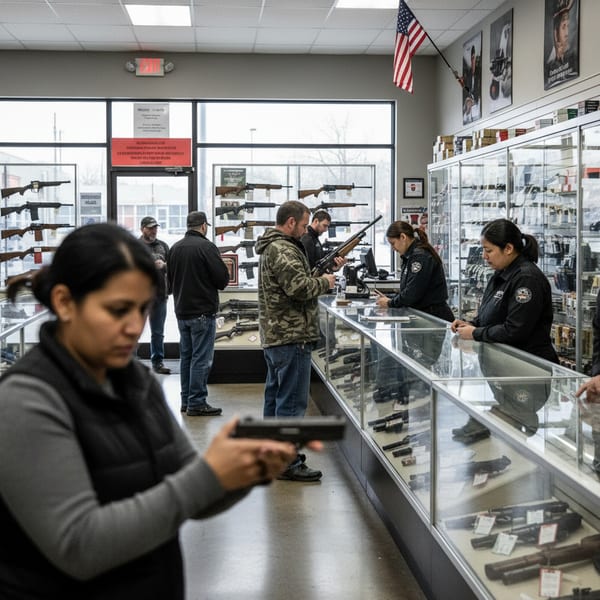
The Department of Justice and Bureau of Alcohol, Tobacco, Firearms, and Explosives announced 34 sweeping regulatory changes this week that dismantle restrictions on gun owners and licensed firearms dealers imposed during the previous administration.
Massive Regulatory Overhaul Targets Biden-Era Restrictions
The reforms follow President Trump’s Executive Order 14206, titled “Protecting Second Amendment Rights,” which mandated a comprehensive review of ATF regulations. Acting Attorney General Todd Blanche stated the changes end what he characterized as weaponization of federal authority against law-abiding citizens. The 34 notices include both final and proposed rulemakings affecting firearms regulations, explosives handling, importation procedures, and Federal Firearms Licensee operations. Administration officials describe this as the first wave, with additional reforms planned.
“The Second Amendment is not a second-class right,” Blanche declared in the announcement. “This Department of Justice is ending the weaponization of federal authority against law-abiding gun owners. We will continue to vigorously defend their rights as the Constitution demands.” The regulatory package addresses compliance burdens that gun shop owners and firearms manufacturers reported during the review process. Industry experts and everyday gun owners contributed feedback that shaped the final proposals.
AG Todd Blanche will announce a new package of DOJ/ATF firearm regulations in its effort to comply with Trump Executive Order 14206, which is aimed at more fully complying with the 2nd ammendment.
Specifics of the new rules have not been released. The announcement coincides with…
— Praying Medic (@prayingmedic) April 29, 2026
Constitutional Rights Take Center Stage
The administration frames the regulatory rollback as fulfilling campaign promises to restore constitutional protections. Officials argue previous regulations created unnecessary obstacles for citizens exercising Second Amendment rights. The changes modify procedures for licensed dealers, adjust compliance requirements for small businesses in the firearms industry, and streamline processes that previously required extensive federal oversight. Critics of the prior administration’s approach claimed enforcement tactics targeted legitimate businesses rather than criminal activity.
What Comes Next
The Justice Department indicates this represents only the initial phase of regulatory reform. Additional proposals will address remaining areas identified in the executive order review. The changes must complete the standard rulemaking process, including public comment periods for proposed rules. Final implementation timelines vary depending on each regulation’s complexity and legal requirements. The administration positions the effort as dismantling what it calls bureaucratic overreach while maintaining focus on genuine public safety concerns and criminal enforcement.