One jailhouse claim has turned a sprawling Minnesota fraud case into a political test of whether proximity is the same as knowledge.
The allegation that changed the conversation
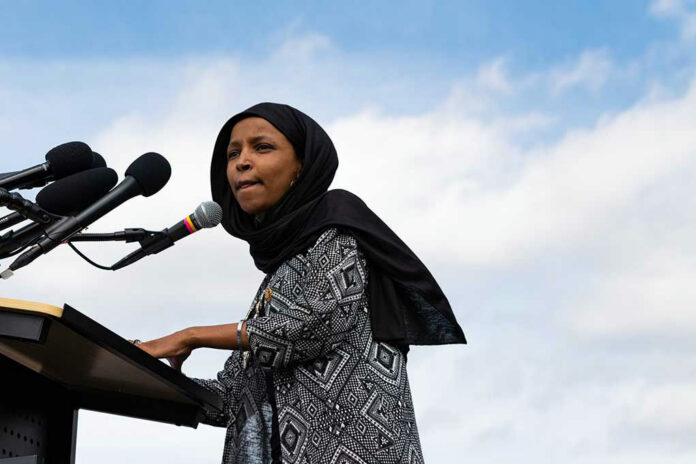
Aimee Bock’s latest comments did not create the Feeding Our Future scandal, but they gave it a new political charge. Bock, who sits at the center of the fraud case, has claimed that Rep. Ilhan Omar was close enough to the network of people, sites, and conversations around the program that she should have understood what was happening. That is a long way from proof, but it is exactly the kind of allegation that keeps a story alive in the attention economy.
The real issue is not whether Bock can generate headlines. It is whether her accusation adds any factual weight to the existing record. So far, the record shows a massive scheme built on fake meal counts, shell companies, and fraudulent reimbursements. It also shows Omar appearing in documents and political disputes around the case. What it does not show is a public charge, indictment, or conviction involving Omar herself. That distinction matters more than the rhetoric around it.
How the Feeding Our Future fraud worked
The Feeding Our Future case exploited federal child nutrition programs during the pandemic, when emergency waivers loosened oversight and created room for abuse. Prosecutors say defendants claimed reimbursement for meals that were never served, inflated attendance, and used the money for personal enrichment. The scale shocked even seasoned fraud watchers because it combined speed, opportunism, and community trust. In common-sense terms, it was the kind of scheme that thrives when accountability arrives late.
Federal prosecutors have already secured dozens of convictions and guilty pleas in the wider case. That is the strongest evidence in the entire story: not speculation, but court outcomes. One Justice Department release described additional defendants pleading guilty to wire fraud and money laundering, underscoring that the scheme was not a vague policy dispute but a documented criminal enterprise. For readers who care about accountability, that is where the hard facts begin and the political spin should end.
Why Ilhan Omar keeps getting pulled in
Omar’s name keeps resurfacing because she sits at the intersection of politics, identity, and public outrage. She represents a district with a large Somali American community, and Republicans have tried to connect her to donors, former staff members, and nonprofit figures tied to the scandal. That does not equal guilt. It does, however, explain why her opponents see the case as a ready-made narrative about influence, insider access, and missed warning signs.
What the evidence does and does not say
Bock’s claim relies heavily on implication. She says Omar visited sites and moved in circles that overlapped with people involved in the program. That may be true, but overlap is not evidence of criminal knowledge. American conservatives are right to demand tighter oversight, especially when public money is stolen at scale. They are also right to reject the lazy habit of turning association into proof. Common sense still applies even in a partisan firestorm.
At the same time, the political class would be foolish to pretend the optics are meaningless. When a lawmaker’s name appears repeatedly in documents, and former associates are later convicted, voters naturally ask questions. That does not answer them. It only raises the cost of not answering them well. If Omar had no knowledge of fraud, the best defense is a transparent accounting of what she knew, when she knew it, and what she did next.
Subpoenas, hearings, and the next fight
Minnesota Republicans have pushed for more documents, more testimony, and more pressure on Omar’s orbit, arguing that state agencies failed and Congress should step in if necessary. Democrats have called the effort political targeting. Both can be true in part: lawmakers may be chasing a headline, but they are also reacting to a scandal that embarrassed public institutions. The fight now is over whether oversight will be disciplined or theatrical.
Minnesota fraud ringleader claims Ilhan Omar knew about scheme | The Right Squadhttps://t.co/lJC6BRcwS4
— ConspiracyDailyUpdat (@conspiracydup) May 19, 2026
The larger lesson is uncomfortable. Massive fraud rarely survives on criminal brilliance alone; it survives on confusion, weak controls, and people assuming someone else is watching. That is why this case keeps echoing beyond Minnesota. It is not just about one nonprofit, one defendant, or one congresswoman. It is about whether public programs can be protected without allowing partisan narratives to replace evidence. Right now, that remains the unanswered question.
Sources:
Three More Plead Guilty in Feeding Our Future Fraud Scheme
CBS News: Ilhan Omar on federal probe into Minnesota welfare fraud on Face the Nation
Aimee Bock claims scapegoating in Feeding Our Future scandal, disputes fraud label