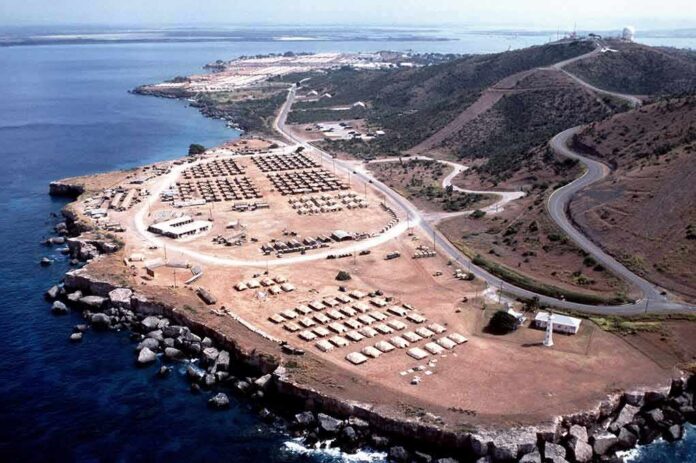
On a nearly empty Aleutian island, Americans are quietly billed about $340,000 a year for wired internet that nobody uses in hundreds of abandoned Navy base buildings.
Story Snapshot
- Phone customers nationwide fund more than $340,000 a year for unused internet at Adak’s former Navy base.
- Reporters found zero residents subscribing to the Federal Communications Commission (FCC)–subsidized service.
- Locals instead use Starlink satellite internet, which arrived with no federal subsidy and is far faster.
- The case highlights wider concerns that the multibillion‑dollar Universal Service Fund wastes money in remote areas.
Taxpayers Fund Internet for Empty Buildings on Adak Island
Investigative reporters from Anchorage Daily News and ProPublica found that U.S. phone customers pay more than $340,000 each year to keep obsolete internet flowing to hundreds of buildings on Alaska’s Adak Island, most of them left over from a Cold War Navy base and now empty. The money comes out of a line item many Americans see on their phone bills, often labeled a “Universal Connectivity Charge,” which feeds a national subsidy program.
On Adak, the subsidized service runs through local telecom Adak Eagle to about 306 buildings, even though the island has fewer than 80 residents and many structures stand abandoned. Reporters interviewed residents and business owners and could not find a single person who still uses the wired service that the subsidy supports. One business owner said everyone he knows has moved to satellite internet instead, raising obvious questions about why taxpayers are still paying for the old network.
Residents Prefer Starlink Over Subsidized FCC Service
Adak residents now go online mainly through Starlink, the satellite internet service launched by Elon Musk’s company and introduced to the island in 2023 with no subsidy from the Federal Communications Commission. Locals say Starlink is up to 40 times faster than the old wired service, with monthly bills between $90 and $140, compared with the hundreds of dollars Adak Eagle once charged on top of federal checks. For people in this remote town, the unsubsidized option simply works better.
The shift to Starlink means the FCC‑backed wired network has, for all practical purposes, become a ghost system kept alive on paper and on the public’s dime. While state officials estimate Adak’s population at 77, residents say the true figure is closer to two dozen, which makes the math even more troubling. At current spending, the subsidy works out to roughly $14,000 per person per year, yet those people are not receiving the service being funded.
How the Universal Service Fund Keeps the Money Flowing
The spending on Adak comes from the Universal Service Fund, a system of telecommunications subsidies and fees created in 1997 and run by the Federal Communications Commission. All telecommunications providers must pay into the fund based on their interstate and international revenue, and most pass those costs directly to customers through extra charges on phone and internet bills. The fund now disburses an estimated $8–9 billion each year across several programs, including one focused on “high‑cost” rural areas like Adak.
In theory, the fund’s goal is to make phone and broadband service affordable in remote communities where private companies would not invest on their own. In practice, watchdogs and analysts have warned for years that waste and fraud plague these programs, with some money going to ineligible recipients and some supporting infrastructure that people no longer use. The Adak case fits this pattern almost perfectly: a high‑cost area, a legacy network, and continued subsidies despite a complete loss of subscribers.
A Glimpse of Systemic Problems and Public Frustration
Alaska‑focused reporting shows that telecom companies in the state have taken about $4.6 billion in federal subsidies over the past decade, yet land‑based internet there remains among the slowest and most expensive in the nation. In a public radio interview, the lead reporter on the Adak story said there are “a lot of empty buildings on Adak, they’re hooked up to internet, nobody in them, but we all are still paying,” capturing the unfairness many taxpayers feel. His question was simple: is this really the right way to spend public money in 2026?
🔴 U.S. pays $340k/year for internet at abandoned Alaska Navy base with no users
Adak Island, a former Naval Air Facility closed in 1997, maintains a population below 100. The federal government pays an Anchorage firm $340,000 annually to provide broadband internet service to… pic.twitter.com/twC4yU2qrb
— NewsTongue (@NewsTongueX) July 21, 2026
Critics of the Universal Service Fund argue that this kind of waste undermines trust in government and hurts support for helping rural communities that truly need service. Supporters respond that cutting subsidies can leave isolated places completely offline, and they point to past fights where changes to the fund nearly shut down providers in other remote Alaska areas. What is missing so far is a clear, public explanation from the Federal Communications Commission about why Adak’s unused network still receives hundreds of thousands of dollars every year, even after residents have already found better internet on their own.
Sources:
taskandpurpose.com, benton.org, propublica.org, congress.gov, en.wikipedia.org, fcc.gov, docs.fcc.gov, alaskapublic.org, cei.org, itu.int