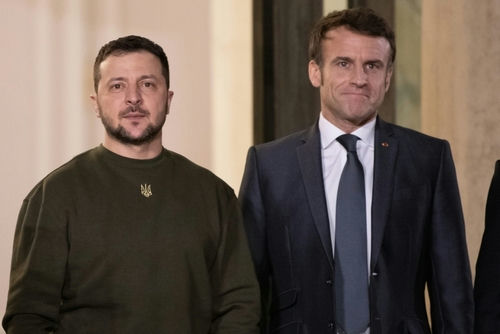
A fragile Iran ceasefire dressed up as a “peace deal” is now colliding with Ukraine war demands at the G7 table in France.
Story Snapshot
- Trump and Macron are selling an Iran deal as a major peace breakthrough while key terms remain unfinished.
- The agreement is really a short memorandum that starts a 60‑day negotiation clock, not a final treaty.
- Macron is pressing Trump hard on Ukraine support, trying to pull focus from Iran to Kyiv.
- Conservatives should watch whether globalist leaders water down U.S. leverage on Iran, Israel, and Ukraine.
Trump’s Iran Deal Headlines the G7 Stage
At Évian in the French Alps, President Donald Trump arrived at the Group of Seven summit with a headline claim: the war with Iran is “ended” and a peace deal is done.[4] French President Emmanuel Macron sat beside him and praised what he called a “very important agreement peace deal with Iran” that would fix the nuclear issue, reopen the Strait of Hormuz, and bring peace to Lebanon and the wider Middle East.[4] Oil prices dropped and markets jumped on the news, which Trump quickly touted as proof that his strategy was working.[4]
Yet behind the bold talk, what exists today is a short memorandum of understanding, about a page and a half, that sets up a 60‑day ceasefire extension and more talks—not a full final treaty.[2][1] Reports say shipping through the Strait of Hormuz is only partially reopened for now, with British and French forces helping manage security while details get hammered out.[2] The White House says the full text will be released later this week, and a formal signing ceremony in Switzerland is scheduled for June 19.[5][3]
What the Iran Memorandum Really Does — and Does Not Do
From a conservative view, the key question is whether this deal actually locks in U.S. red lines or simply pauses the fight while Iran regroups. Public summaries show it as a 60‑day framework that extends the ceasefire, reopens the Strait of Hormuz, and ends active hostilities in Lebanon, while pushing the hardest nuclear and money issues into “phase two” talks.[1] Analysts say the memorandum likely reduces violence and boosts shipping in the short term but does not yet settle Iran’s nuclear program, missile work, or long‑term sanctions relief.
Trump has laid out tough conditions on paper: Iran must give up its highly enriched uranium, accept no path to a nuclear weapon, keep the strait open, and stop funding terror groups, with no funds released until it complies.[1] Other reporting backs up that the memorandum will require Iran to pledge not to pursue nuclear weapons and sets future talks on disposal of its uranium stockpile and on sanctions relief. But Iranian voices have been more cautious, calling the deal only an “important step” to stop the war and begin negotiations, not a final settlement, which shows that Tehran still sees room to push.
Macron, Zelenskyy, and the Fight to Keep Ukraine on the Agenda
While cameras follow the Iran story, Macron is using his role as summit host to drag Ukraine back to the top of the agenda. The summit program lists Ukraine and the Middle East together as central crisis topics, reflecting Europe’s fear that attention will drift once markets calm.[4] Ukrainian President Volodymyr Zelenskyy has been invited into closed‑door talks with Trump and Macron, where he is expected to press for steady military aid and firm pressure on Russia, even as Washington celebrates progress with Iran.
For many conservative voters, the risk is clear. Every hour spent on a fragile Iran deal can mean less focus on making sure Russia does not gain ground in Europe. Globalist leaders also see these talks as a chance to push for “package” deals that link Iran, Ukraine, energy markets, and climate money in one big bundle, which often ends with American taxpayers and workers on the hook. Trump has said he wants peace in both regions, but he also faces pressure from European leaders who have long complained about his tough line on spending and his America‑first trade stance.[4]
Energy, Markets, and the Danger of “Mission Accomplished” Spin
The first sign that this Iran framework matters at home showed up at the gas pump. As news broke, oil prices fell sharply and stocks “shot up like a rocket,” in Trump’s words, giving some immediate breathing room to families still dealing with years of high energy costs and inflation.[4] Experts agree that reopening the Strait of Hormuz and lifting the United States naval blockade on Iran’s ports will improve global oil flows if the ceasefire holds.[3] That is good for drivers, truckers, and small businesses who need relief after past years of green‑agenda energy shocks.
Zelenskyy, Trump, and Macron held a closed-door meeting on the sidelines of the G7 summit.
For Zelenskyy and Trump, it was their first face-to-face meeting in nearly four months.
— Saint Javelin (@saintjavelin) June 16, 2026
But conservatives should be wary of a “mission accomplished” narrative built only on short‑term market moves. Analysts warn that the memorandum is an initial framework, not a permanent peace, and that the hardest fights over Iran’s nuclear sites, missile program, and long‑term sanctions are still to come.[1] If Iran cheats, drags out talks, or uses new cash to arm proxies, the United States could end up back on the brink—only this time after our leaders have told the world the problem was solved. Until the text is public and enforcement is proven, this is a cautious step, not the end of a long war.
Sources:
[1] YouTube – G7 Summit LIVE: Macron hosts talks with Trump and Zelenskyy
[2] Web – 2025–2026 Iran–United States negotiations – Wikipedia
[3] YouTube – Trump unveils Iran peace deal at G7 summit | 7NEWS
[4] Web – Live updates: US, Iran confirm peace deal, official signing on June 19
[5] YouTube – Trump says Iran deal will bring ‘a lot of success to the world’ in …